
Roof Moss Treatment: What Zinc and Copper Strips Actually Do
If you have researched roof moss, you have seen zinc and copper strips recommended as a permanent fix: fit a strip near the ridge and never think about moss again. The reality is more limited. The strips do something real, but they are a prevention aid, not a cure, and understanding the difference saves disappointment.
How the strips work
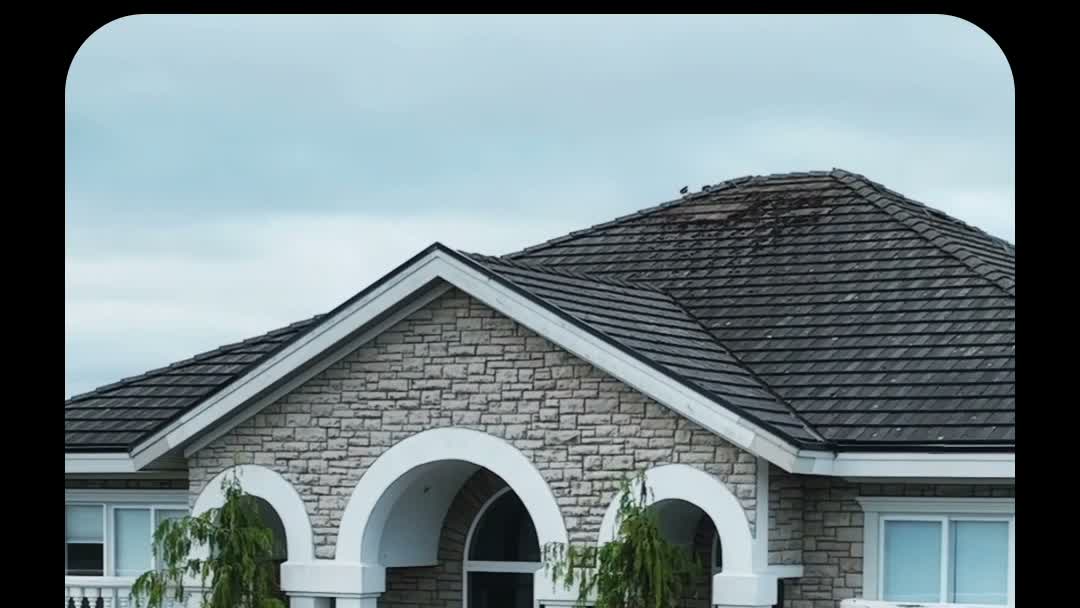
When it rains, water running over a zinc or copper strip picks up tiny amounts of metal ions and carries them down the roof. Those ions are mildly toxic to moss and algae, so they discourage growth on the area the runoff reaches. It is the same reason the roof stays clean in the streaks below a copper flashing or a galvanised vent.
So the strips genuinely slow regrowth, and they do it passively every time it rains, which is their appeal.
What they do not do
The limits matter. The protected zone is only the area the metal-laden runoff actually flows over, so a single ridge strip may not protect wide or complex roofs evenly, and the sections above the strip get nothing. In our heavy-growth climate, the effect is a slowing, not a force field, and it works best as prevention on an already-clean roof, not as a way to remove existing moss.
They also will not clean a roof that is already mossy. Established moss has to be removed first; the strips only help keep a clean roof cleaner for longer.
Where they fit in a real plan
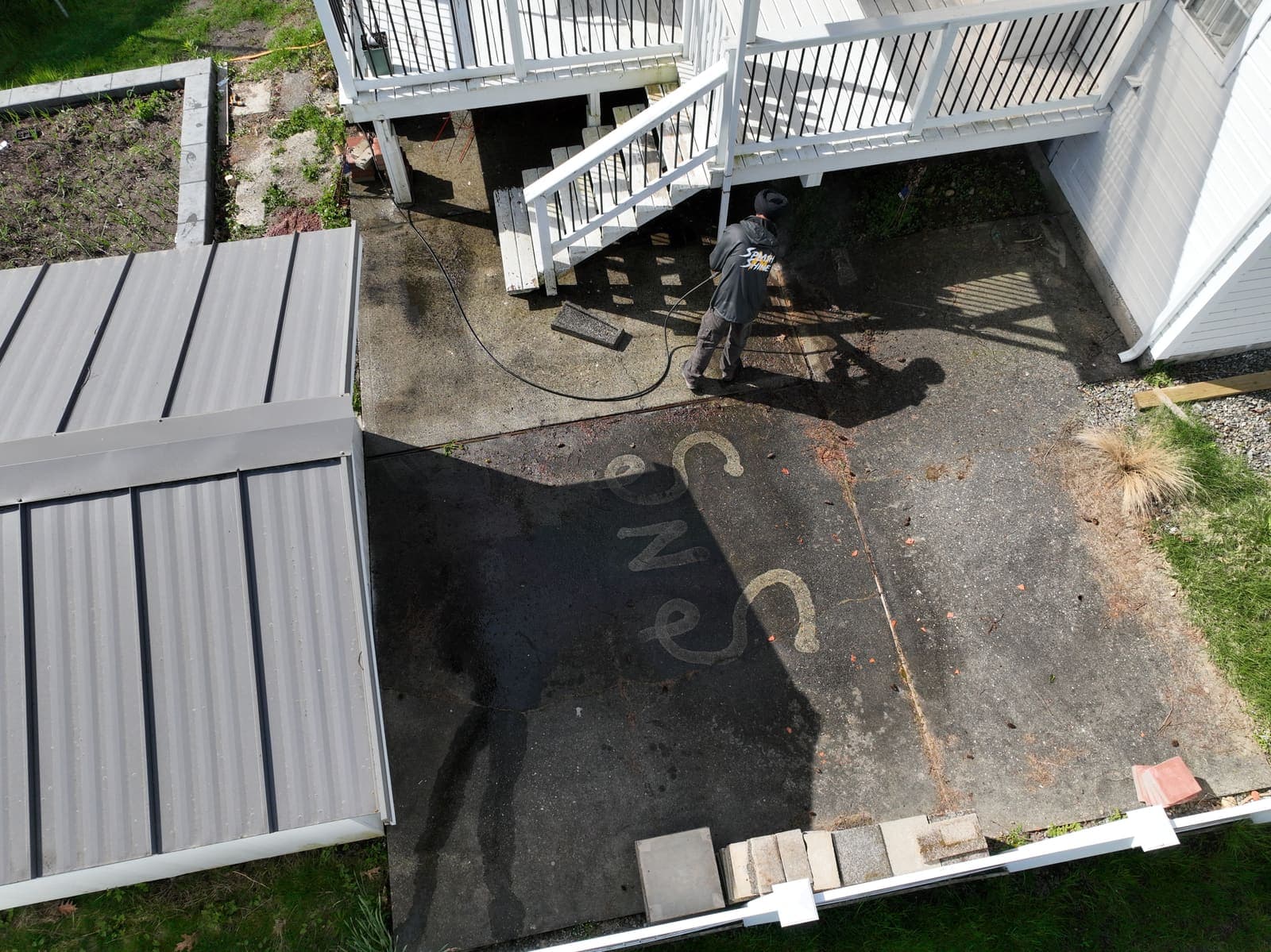
The sensible approach in coastal BC is to clean the roof properly first by soft washing, which kills the existing moss and algae at the root, and then use zinc or copper strips as one part of keeping it clean, alongside trimming back overhanging branches and keeping the gutters flowing. On their own, strips are a modest help; as part of a plan, they extend the time between cleans.
If your roof is already mossy, start with the clean and ask whether strips make sense for your roof's layout. On a simple roofline they can help; on a broad or multi-slope roof, they cover less than people expect.